Every child learns differently.
Now, finally, something
teaches differently.
A personalised AI companion for children aged 5–11 — loved by kids, trusted by parents.


And the tools we give them feel like chores.
No child has ever asked to do ten more minutes of Doodle.
Everyone picked a lane. The lanes don’t overlap.
“A companion children love, that parents trust, that school benefits from. Nobody is here.”
— industry commentary, 2026.
Great pedagogy isn't a consumer product.
A relationship is.
A friend who happens to be a brilliant teacher.
Child picks the avatar, names it, tunes its personality. You don’t abandon a friend you made.
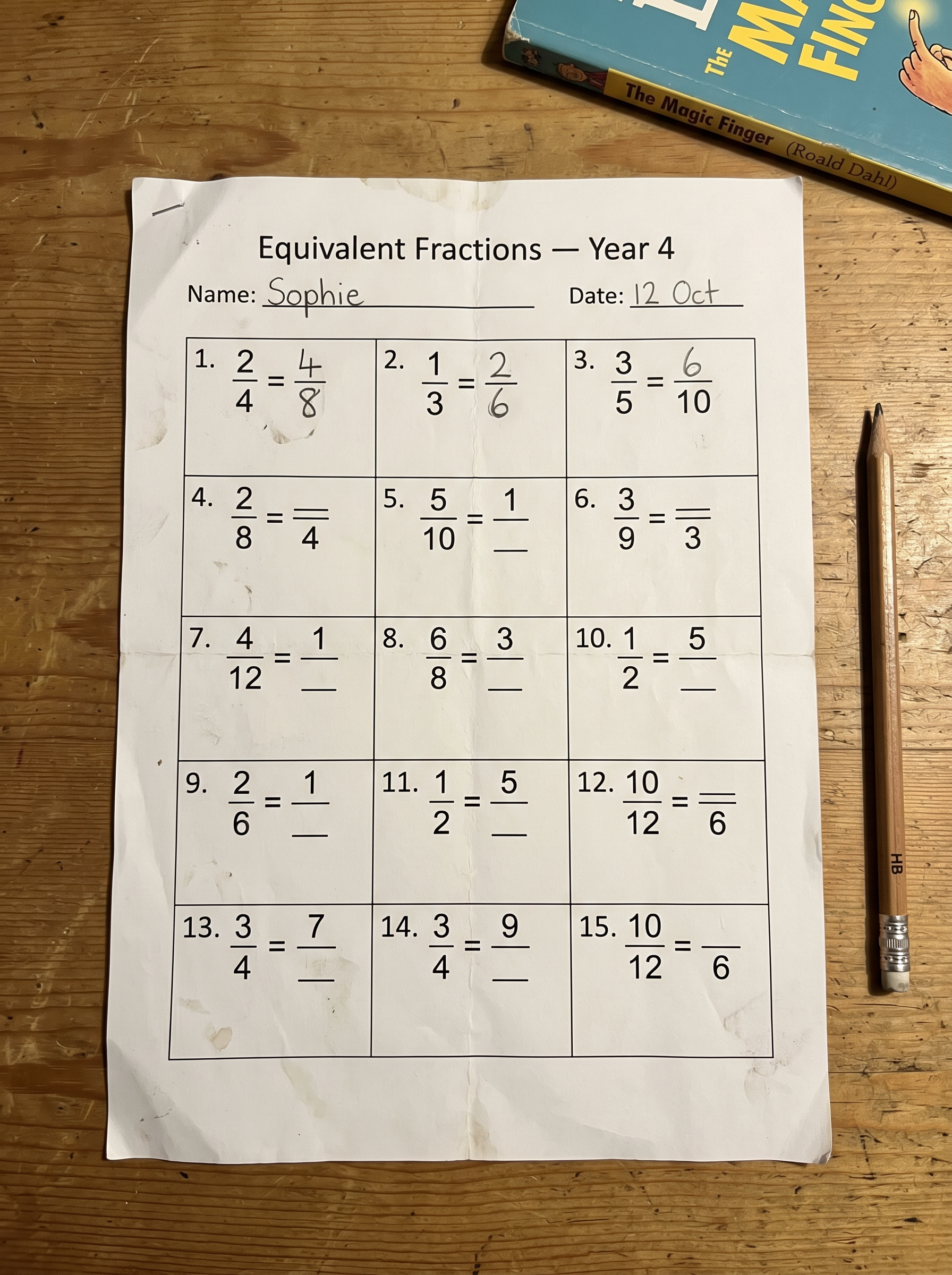
Point the camera at bad homework. Get good learning.
Every scan-and-solve app gives answers and undermines school. Pip extracts the learning objective and reinforces it. School-positive by design.
The parent finally gets to see — and steer.
Maya · Week 24
On track in 4 of 5 maths strands
Equivalent fractions clicked on Thursday — she explained it back unprompted
Reading age still ~14 months ahead
Steering, sensitivities, teacher feedback in. Plain-English progress and one weekend action out. This screen is why parents pay.
The next twelve months.
prototype agent loop · design-partner families recruited
MVP live (Years 3–4) · 50 families · safety review passed
paid UK launch · digest-driven retention proof
first school endorsement pilots · DfE programme entry · efficacy measurement begins
It grows up with them.

AGE 5
a voice-first playmate teaching phonics through stories.
AGE 9
a homework coach who knows fractions scare her.

AGE 13
a study partner with seven years of context — parent visibility stepping back by agreement.

AGE 17
exam mentor. First-job counsellor, later.
“Every child, everywhere, with a brilliant, patient mentor who has known them their whole life. That has never existed. It’s buildable now.”
Pip. The friend that knows how your child learns.
Raising [£X pre-seed] to ship the MVP, prove voluntary daily use, and clear the safety bar first.
Chris Meehan · cdcmeehan@gmail.com