Pip · July 2026

Every child learns differently. Now, finally, something
teaches differently.

A personalised AI companion for children aged 5–11 — loved by kids, trusted by parents.
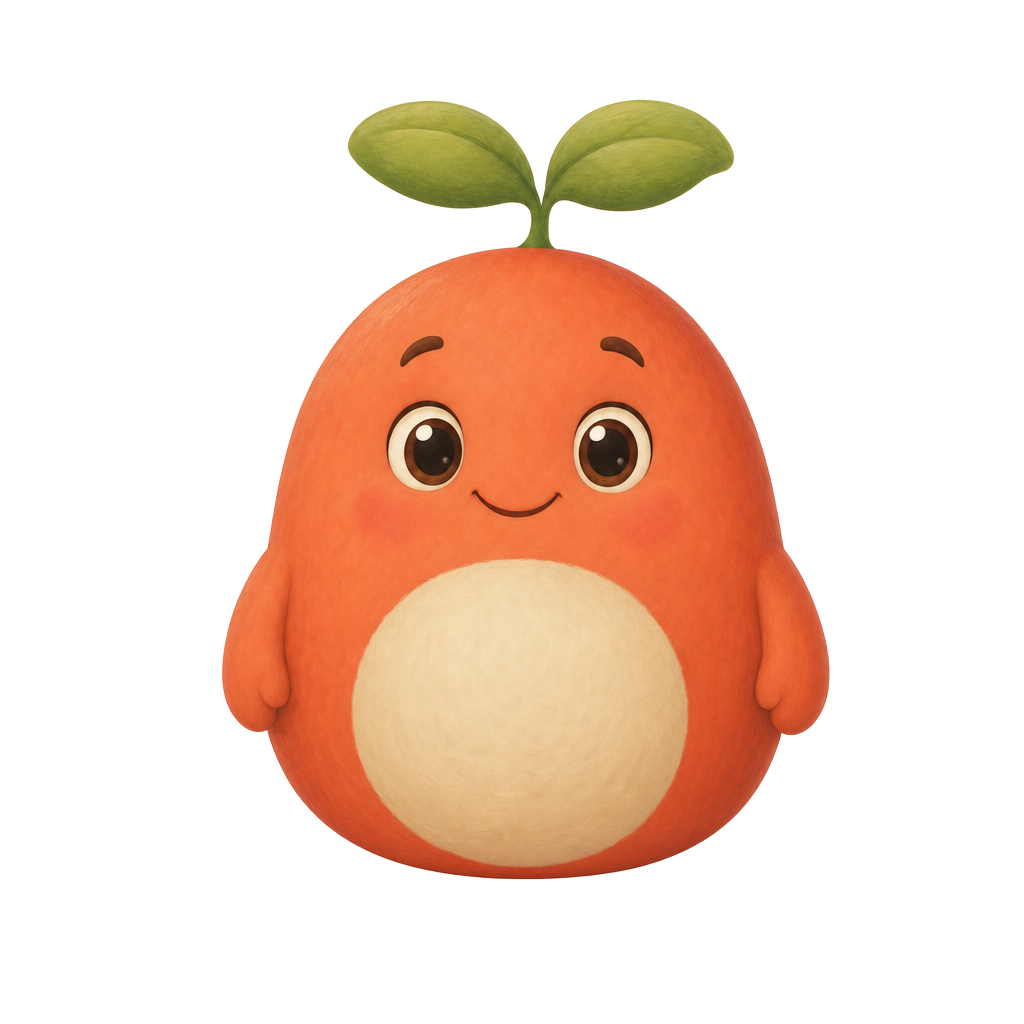
Pip, a small coral creature with a leaf sprout, waving
21:04
is my child on track …in maths year 3
is my child on track …compared to classmates

Every parent asks it. Almost nothing answers it.

2 evenings/year

the totality of structured parent–teacher contact

£30–60/hour

UK private tutoring, the only real “personalised” option

1 curriculum, 30 kids

school personalisation is structurally impossible

And the tools we give them feel like chores.
What kids are given
generic worksheet homework
drill apps they’re told to open
one explanation style for everyone
What kids actually want
to be known
to play
to feel clever

No child has ever asked to do ten more minutes of Doodle.

Everyone picked a lane. The lanes don’t overlap.

Parents trust it →
Kids love it ↑
AI companions
(Character.ai) — loved, untrusted
Answer machines
(Photomath et al.) — neither
Classroom AI tutors
(Khanmigo, DfE pilots) — trusted, unloved
Drill apps
(Doodle, Atom)

“A companion children love, that parents trust, that school benefits from. Nobody is here.

"Khanmigo consumer adoption: 'a non-event'"
— industry commentary, 2026.

Great pedagogy isn't a consumer product.
A relationship is.

The moat isn’t the model. It’s the memory.

One agent per child, with a growing structured understanding of who that child is.

Two faces: a friend the child opens voluntarily. A copilot the parent relies on.

After six months, no competitor can replicate what Pip knows about your child.

The Product · 1 of 3

A friend who happens to be a brilliant teacher.

Pip
here for Maya
Message Pip…
memory-driven check-in — Pip knew about the tooth and the practice
talk or type — real-time voice; five-year-olds who can’t type yet get the whole friendship by talking
and there it is: multiplication, smuggled inside her actual life

Child picks the avatar, names it, tunes its personality. You don’t abandon a friend you made.

The Product · 2 of 3

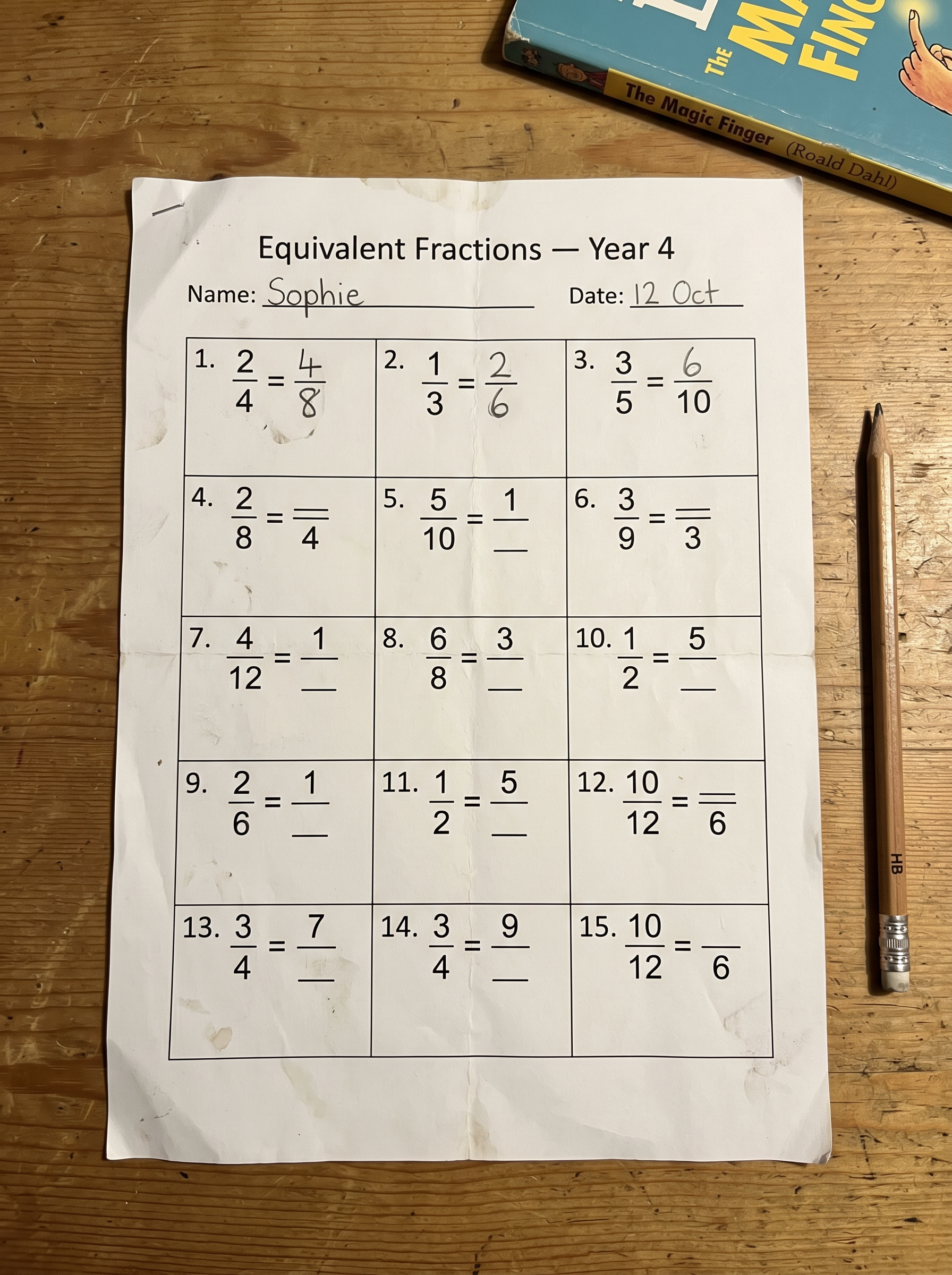
Point the camera at bad homework. Get good learning.

A crumpled equivalent-fractions worksheet on a kitchen table
Scanning · Homework
“Coach me through it” Socratic — never gives answers
“Practise first” bespoke exercises, same objective, her way

Every scan-and-solve app gives answers and undermines school. Pip extracts the learning objective and reinforces it. School-positive by design.

The Product · 3 of 3

The parent finally gets to see — and steer.

Maya · Week 24

On track in 4 of 5 maths strands

Equivalent fractions clicked on Thursday — she explained it back unprompted

Reading age still ~14 months ahead

One thing to try this weekend: cooking = fractions she can eat
one brain · two faces
Parent → Pip
“Parents’ evening: Miss Patel says she rushes her writing.”
“Grandad died on Sunday. Be gentle. Don’t raise it unless she does.”

Steering, sensitivities, teacher feedback in. Plain-English progress and one weekend action out. This screen is why parents pay.

What Pip believes about Maya.live — click around

Episodic
"Tue: struggled with 3/4 vs 6/8 until pizza framing"
retention-capped
Child model
learns visually · loves animals · confidence dips when rushed · reading +14mo
parent-visible · parent-editable
Curriculum graph
KS2 objective nodes coloured by mastery estimate
re-scored nightly

Every night, a distillation pass turns the day into understanding: updates the model, re-scores mastery, drafts the digest, plans tomorrow’s check-in. This is the compounding asset.

Safety isn’t a feature. It’s the product.

Every message, both directions, passes an independent age-tuned safety layer. Fails closed.

Sensitive topics deflect — kindly — to the parent, and are logged for them.

No open web. No other users. No engagement dark patterns — no streaks, no guilt.

AADC-native: data minimisation, high-privacy defaults, UK residency, parent-visible memory.

The regulatory bar is rising (AADC, Online Safety Act, DfE safety standards). We treat it as a moat: clear it first, wear it as the brand.

Three curves just crossed.

The models

frontier LLMs now do reliable Socratic tutoring, read homework photos, and generate explainer media on demand — and real-time voice is finally natural enough for a five-year-old to just talk to

The state

DfE is funding AI tutoring right now: £2.4M Pioneers programme, £23M testbeds in 1,000+ schools, ambition of 450k pupils/year (GOV.UK, April 2026)

The parents

the question has flipped from “should my child use AI?” to “which one is safe and actually good?” Nobody owns that answer for primary age.

Current government programmes target classrooms and Years 9–10. Home, primary, parent-led — our wedge — is wide open. For now.

Priced against tutoring, not against apps.

Per family
£9.99/mo
· £79/yr — multi-child included
Free tier ends where the relationship begins.
anchor: Khanmigo $44/yr · Synthesis $95/yr
· a single human tutoring session £30–60
01

D2C

paid social + SEO on the anxiety queries parents already type (what should a 7-year-old know in maths)

02

Schools as megaphone

schools don’t pay, they endorse; homework quality goes up, word of mouth at the school gate does the rest

03

Government

DfE subsidy for licences is live policy; Pupil-Premium-funded licences the plausible mechanism

0M

UK primary pupils

0bn+

UK private tutoring market

0 months

of memory = switching cost no competitor can copy

The next twelve months.

Q3 ’26

prototype agent loop · design-partner families recruited

Q4 ’26

MVP live (Years 3–4) · 50 families · safety review passed

Q1 ’27

paid UK launch · digest-driven retention proof

Q2 ’27

first school endorsement pilots · DfE programme entry · efficacy measurement begins

Success metric the only number that matters early: children opening Pip voluntarily ≥4 days/week at week 4.

It grows up with them.

Pip stage 1 — a round seedling blob

AGE 5
a voice-first playmate teaching phonics through stories.

Pip stage 2

AGE 9
a homework coach who knows fractions scare her.

Pip stage 3 — taller, more leaves

AGE 13
a study partner with seven years of context — parent visibility stepping back by agreement.

Pip stage 4 — grown, calm, arms folded

AGE 17
exam mentor. First-job counsellor, later.

“Every child, everywhere, with a brilliant, patient mentor who has known them their whole life. That has never existed. It’s buildable now.

Pip waving goodbye

Pip. The friend that knows how your child learns.

Raising [£X pre-seed] to ship the MVP, prove voluntary daily use, and clear the safety bar first.

Chris Meehan · cdcmeehan@gmail.com

1 / 15